Jul 14th, 2026
3 min readWhat is Design Thinking?
Design thinking is a human-centered approach to solving problems through research, experimentation, and iteration. In bespoke web development, it provides a practical framework for creating digital products that are not only technically sound but also genuinely useful to the people who use them. Rather than beginning with features, platforms, or visual trends, design thinking starts with understanding user needs, business goals, and the context in which a website or application will operate. This shift in focus helps agencies build solutions that are purposeful, usable, and commercially effective.
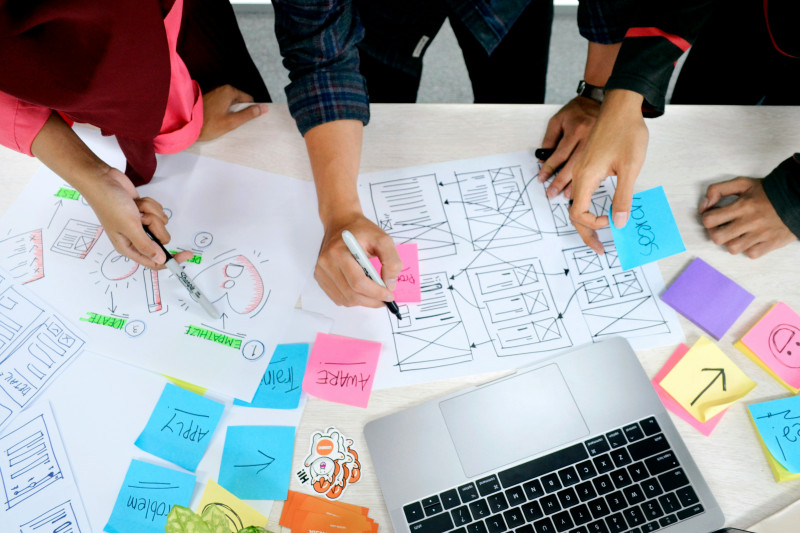
At the core of design thinking is empathy. For a bespoke web development agency, this means studying how real users behave, what they expect, where they experience friction, and what motivates them to act. User interviews, stakeholder workshops, journey mapping, and behavioral analysis all contribute to a clearer picture of the problem before any design or development begins. This stage prevents teams from making assumptions and reduces the risk of investing time in features that do not solve meaningful issues. A tailored digital product becomes stronger when it is grounded in actual user insight rather than internal opinion.
Design thinking also improves how problems are defined. Many web projects fail because the original brief focuses on symptoms instead of underlying causes. A client may request a site redesign because conversions are low, but the real issue may be unclear messaging, poor information architecture, or a checkout experience that creates hesitation. Through design thinking, agencies can reframe vague or surface-level requests into precise problem statements that guide better decision-making. This creates a more strategic development process and positions the agency as a partner in business improvement rather than a supplier of code.
Ideation is another major benefit. Once the right problem is identified, teams can explore multiple solutions instead of defaulting to familiar patterns. In bespoke development, this is especially valuable because custom projects often involve unique workflows, audiences, or business models. Designers, developers, strategists, and clients can collaborate to generate ideas, challenge assumptions, and evaluate concepts before committing to a build. This cross-functional thinking leads to more innovative and practical digital experiences, where creativity is informed by both user needs and technical feasibility.
Prototyping and testing are essential parts of design thinking that reduce risk and improve quality. Instead of moving directly from planning into full development, agencies can create wireframes, interactive prototypes, or lightweight product versions to gather feedback early. This allows teams to identify usability issues, validate assumptions, and refine the user experience before significant resources are spent. In bespoke web development, where projects often involve complex requirements and custom functionality, early testing can prevent costly rework and improve stakeholder confidence throughout the process.
Design thinking also supports better collaboration between agency teams and clients. Because it encourages transparency, shared learning, and iterative progress, it creates a process where decisions are based on evidence rather than personal preference. Clients become more involved in understanding user problems and evaluating solutions, while development teams gain clearer direction and stronger alignment. This leads to smoother delivery, fewer misunderstandings, and a more efficient path from concept to launch.
For a bespoke web development agency, design thinking is not a trend or a workshop exercise. It is a disciplined way of creating websites and digital platforms that solve real problems and deliver measurable value. By combining empathy, problem definition, ideation, prototyping, and testing, agencies can produce custom solutions that are more intuitive, more effective, and more aligned with business objectives. In a competitive market where users expect seamless experiences and clients expect results, design thinking offers a structured advantage that improves both process and outcome.